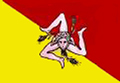
Sicilian Desserts
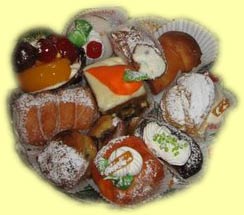
Sicilian desserts are made for many special occasions and the celebratation of religious feasts. All
pastries, cakes, and cookies are associated with traditions reaching far back in history, with links to religious
rituals, superstitions and folklore influenced by sorcery and erotic inspirations.
The people made sacrifices and offered animals, fruit and cooked products to the gods to secure their favors,
priests, their guests, and their friends sampled and ate devotedly to celebrate the feast.
Prior to and during the Greek and Roman occupations of Sicily, each feast was celebrated with offerings to the god
or goddess associated with the season and extraordinary dishes of special desserts were made for that particular
occasion.
In Sicily, desserts were produced in large varieties and made with honey, flour, cheese, and almonds, because
these ingredients were very plentiful. This was the very beginning of an overflowing abundance of delicious
and colorful variety of desserts. These sweets were prepared in different ways according to the family or
the town in which were produced.
Continues below.....
In Pagan Times
The sun god was especially venerated in Sicily, as it was in the known world. The sun and the moon were part of the
religious beliefs of all the people, thousands of years ago, even before the Egyptian civilization was
born.
In mythology, Sicily, the island of Trinacria, was sacred to the sun-god and there was a special devotion to Helios
(the Sun) who had his daughters, the goddesses Lampetia and Phanthusa as the guardians of Trinacria. There he kept
seven herds of cattle and seven flocks of sheep to be grazed, attended and guarded by the goddesses.
In fact when Odysseus landed in Sicily and his men killed and ate some sacred cows, they were killed as a
punishment for their sacrilegious act.
Since ancient times it was noted that the sun had enormous power on the earth and natural events. In order to
explain those natural phenomena, mankind created myths, gods and goddess.
Usually, the Sun deity was represented by a male figure and was associated with births and the revival and growth
of the earth. The moon was portrayed as a female deity and identified with the night, the underworld and to bolster
fertility.
The Transient Era
When Jesus Christ was born and the new Judeo-Christian religion was introduced, the Christian religion was badly
accepted and outlawed. The neophytes Christians in order to celebrate the holy days without being too evident and
to avoid incarceration or crucifixion, made the Christian celebrations coincide with the pagan festivities. When
Christianity was accepted, many of the pagan feasts endured but were transformed into Christian holidays. They were
a mixture of ancient pagan traditions and magic, combined with the rituals of the new Judeo-Christian
faith.
The most evident Sun’s astronomic observations were made in pre-historic time and in more recent times called
Spring Equinox, Summer Solstice, Autumn Equinox and Winter Solstice.
Equinox derives from Latin equus, equal and nox, night and meaning that day and night have the same
length.
Solstice derives from Latin sol, the sun and sistere, to be immobile and it was believed that the Sun was standing
still because of the minimal movement going from North to South.
Demeter And Saint Joseph
Spring Equinox occurs around March 20th. During this period it is time to place seed in the ground and to celebrate
the goddess of fertility of the land, Demeter for the Greeks or Ceres for the Romans.
The Sun deity was worshiped to gain his blessings so that new life would come in their families.
On the previous night of the Spring Equinox, it was tradition to collect pieces of wood, broken furniture or
anything else that was useless and form a pile, to burn along with all the misery of the past year and to welcome
the new spring. To the goddesses of fertility were offered fritters in the form of breasts of virgin and cakes made
with honey and must. The early products of the land were cooked and offered to the gods together with eggs, the
symbol of birth, a common tradition among the Persians, Armenians, Jews, Romans, Greeks and Germans.
This holiday coincides with Saint Joseph's day and even at the present time all over Sicily, in particular in
Palermo, the night of March 18th big piles made of wood, old furniture and junk are burned in honor of Saint
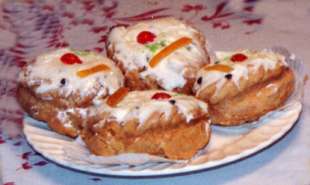
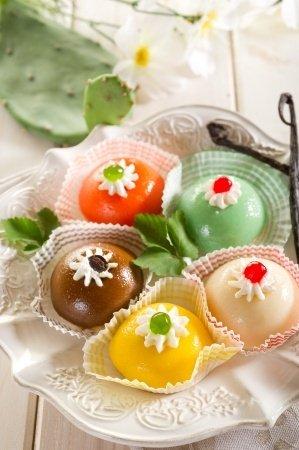
Joseph. The breasts of a virgin are made and called Sfingi di San Giuseppe, they are fritters stuffed with ricotta
cream.
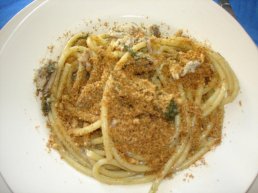
This holiday is celebrated in every house with a table full of bread along with pasta with fennel sauce. The wild
fennels are fresh from the countryside and the pasta is served covered with toasted breadcrumbs on top, to
symbolize the sawdust in Saint Joseph carpentry. Also the maccu (a fave and fennels dish) is offered as it was in
the pre-Christian era.
The Annunciation To The Virgin Mary
Around this time the Annunciation recurs, when it was revealed to the Virgin Mary that she was to give birth
to Jesus Christ. This is the beginning of a series of Christian holy days that coincide with ancient pagan
celebrations and the sun festivals. In fact, nine months later Christmas is celebrated, at a time when the pagans
were celebrating Saturnalia in Rome or the season of Yule in Northern Europe.
The Cannoli And Carnival’s Desserts
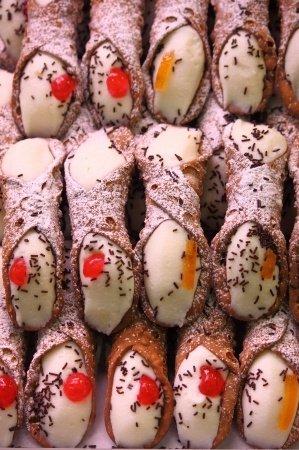
The cannoli were originally prepared at the beginning of spring and for
weddings; they consist of a tube of fried dough stuffed with ricotta cream in the shape of sculptured stones
venerated as the symbol of the male fertility. For Carnival, a festivity before Lent and also for the pagan feast
of the regeneration, cannoli were consumed abundantly.
  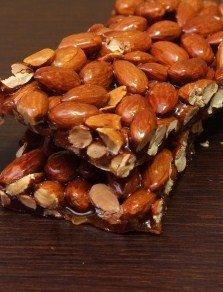
Sanguinaccio (a pig’s blood and honey pudding), Pietrafennula (almond, honey and citron cookies) and Torrone
(almond and honey nougat) are made at this time of the year in every town.
Easter Dessert’s And The Cassata
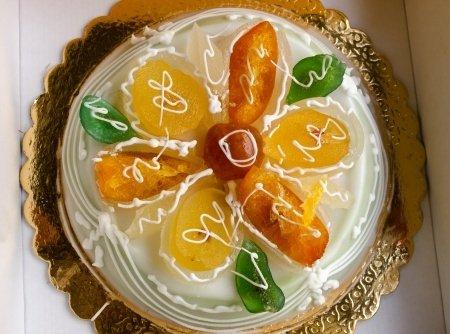
A famous Sicilian cake is the Cassata. This is a colorful torte made with ricotta and covered with honey and
fruits, it was offered to the earth goddess to secure fertility and the blessing to the spring sowing. Today the
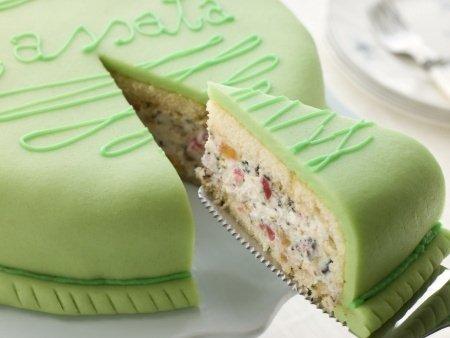
cassata is made with a sponge cake stuffed with ricotta cream, covered with candied fruits, fragrant with cinnamon,
citrus fruits and it is the classic Sicilian Easter dessert.
 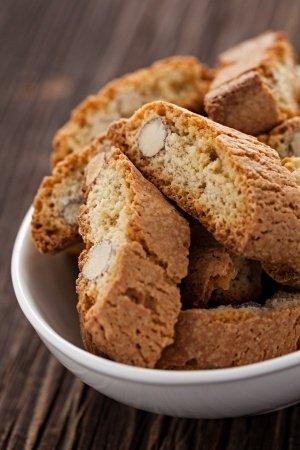
In this period and in more recent times, the famous Quaresimali
(the Lenten almond-crunchy cookies) are made, they can be consumed during periods of fasting because they
contain no fat.
During the Summer Solstice in Egypt the flooding of
the Nile, fertilize the land alongside the river, and it was celebrated with festivals in honor of Isis; in
Greece, Aphrodite and Adonis were honored with preparation of special food and women entertained their lovers
dancing and singing.
In Rome the festival of Versalia was celebrated in
honor of Vesta, the goddess of the family and of the hearth and on the hearth sumptuous banquets were prepared
and the women cuddled their men to amuse and to produce offspring.
In Sicily the Summer Solstice is characterized by warm sun, with
nature in bloom, with the wheat ready to be harvested and other crops ready to reap. It is time to make
preserves for the winter with the fruits gathered and it is a special time when weddings are celebrated.
Cannoli and cassate are the desserts consumed for those occasions.
Mother’s Day And Father’s Day
This period also coincides with the pagan holiday of Mother Earth
which later was transformed into Mother’s Day the second Sunday of May and into Father’s Day, celebrated on
the third Sunday of June and it coincides with the feast of the sun god. For those holidays rudimental cakes
were offered: dough baked with fresh fruit on top and covered with honey and later transformed into the
crostata, a shortbread tart covered with preserved fruits.
Halloween
All Saint Day
All Souls Day
Thanksgiving
The Autumn Equinox falls in September. The wine making season: grapes are crushed and
fermented to make wine. The mostarda, a super concentrated marmalade made with grape juice, almond flour and
fragrant with the zest of citrus fruits, is prepared. This delicacy is kept to be offered to friends and
neighbors on special occasions. This is an exclusive Sicilian specialty that cannot be found anywhere
else.
In October, Ceres was celebrated by the Romans and in Sicily grain and ricotta cakes
were offered to the goddess of the harvest.
In the month of November, as it has been for thousands of years, the weather changes.
The earth has to be fertilized and sowed, the livestock has to be moved into sheds to protect them from the winter
cold and in Sicily the occasion was celebrated in historical times with banquets, rituals and myths. To thank the
gods for the harvest and to wish for abundant crops for the following year, large trays of fresh fruits, cookies
and other offerings were prepared and consumed with formal ceremonies. In later times when the Judeo-Christian
religion became official, this holiday was replaced by All Saints’ Day and the next day was dedicated to honor the
Dead.
In the Giorno dei Morti, All Souls Day, in preparation for the evening traditional
celebrations, large trays are filled with dry and fresh fruits, with Tatu’ (a walnut shaped almond flavored
cookie), Pipatelli (honey cookies with a strong cloves flavor), Muscardini (almond cookies), Ossa di Morto (bones
of the dead cookies, made with a brown honey base and a white top in various shapes) and colorful fruits made with
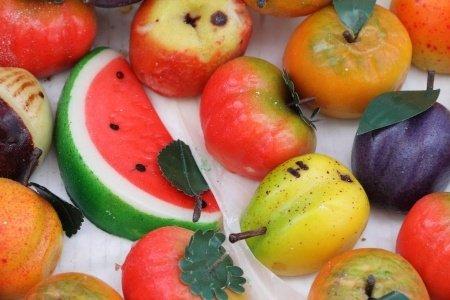
marzipan, called Frutti di Martorana.
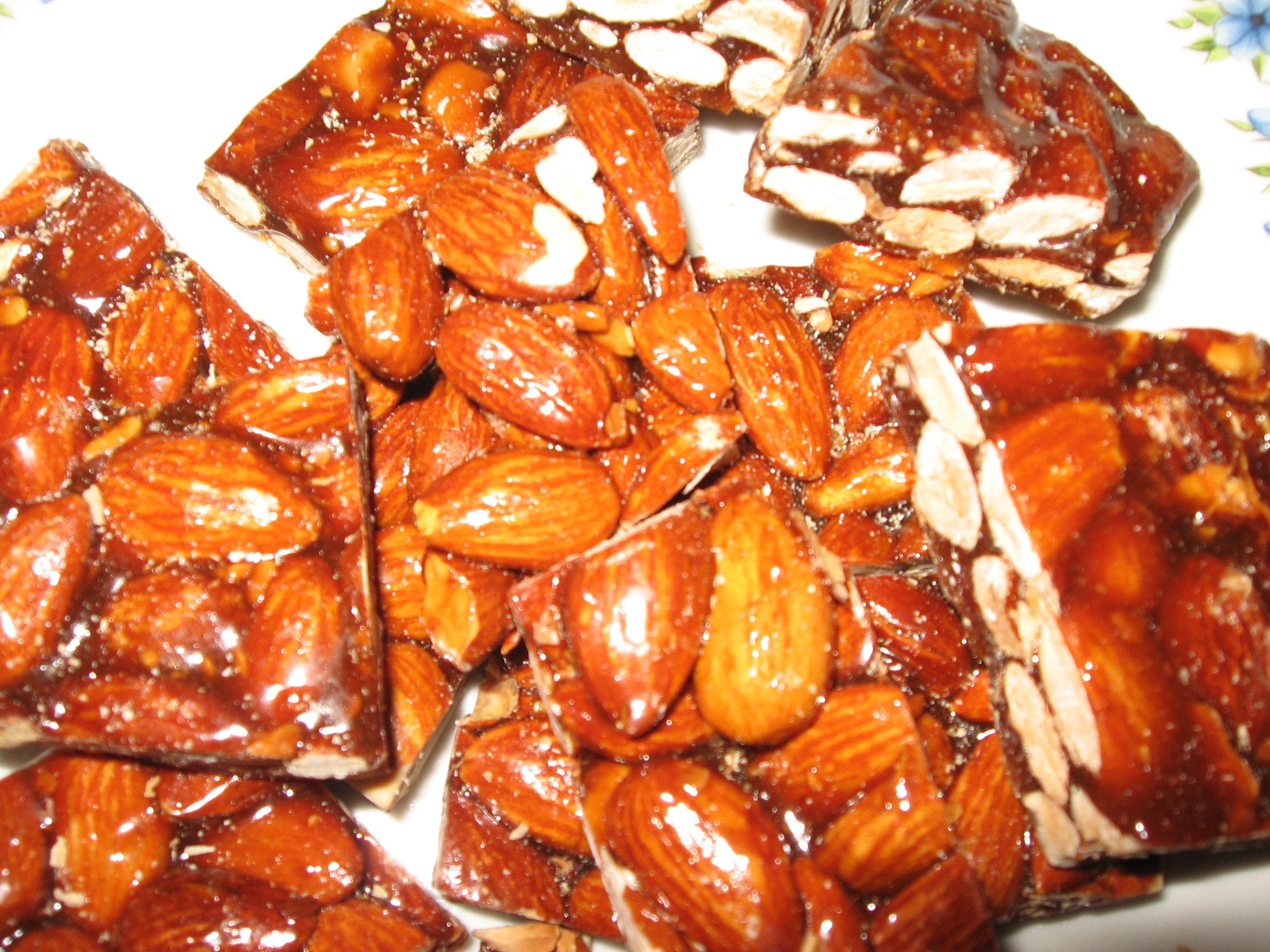 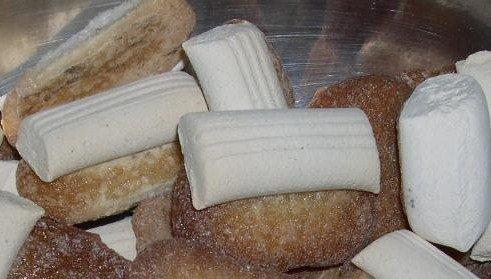 
In more recent times, fruits made of marzipan
and the Pupaccena (sugar statuettes representing popular figures, painted in vivid colors) were
added.
The eve of All Saints’ Day, is celebrated in the United States and
in Canada and called Halloween.
The harvest time was celebrated in England as Thanksgiving and became established in
the United States and in Canada and observed on the third Thursday of November.
Saint Lucy Day,
Christmas
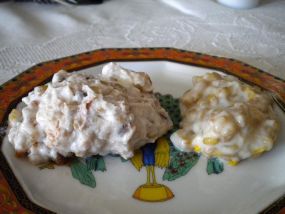
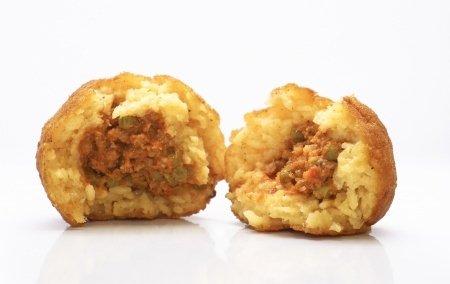
On December 13th, Saint Lucy Day it is tradition not to eat any
bread and delicacies like the Cuccia, cooked grain with cream, cannoli cream and honey and the Arancine, rice balls
are prepared for the family and guests.
The Winter Solstice that occurs on December 21st or 22nd is dedicated to the
sun-god.
In all pagan faiths the sun-god was honored around December 25th,
when the birth or reincarnation of the god is celebrated with fires, cooking and festivals. The Romans had the cult
of Sol Indige (the Sun that we need and cannot do without) called Saturnalia and celebrated on December
25th.
This date is important to the Christian religion because Jesus Christ was born on
this date, nine months after the Annunciation was disclosed to the Virgin Mary that she was going to give birth to
Jesus Christ.
In Sicily the Christmas holiday is celebrated with a variety of desserts, even more
in modern times due the abundance and the well being of the population.
All About The Sicilian Desserts
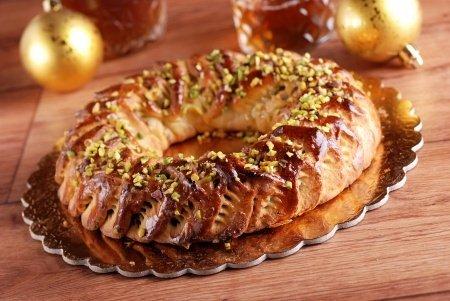
Buccellato is a round cake, in the shape of a crown, made with short bread and stuffed with dry figs, raisins, zest
of orange, almonds and walnuts, cooked with wine and coarsely minced.
 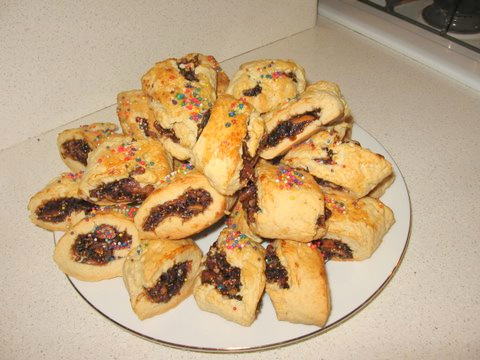
The Cacateddi are made with the same stuffing as the buccellati and shaped in squares of about two inches; bread
dough is used to wrap around the filling. The cacatelli are traditional to the original Sicilian
recipe.
At Christmas the Mustaccioli are prepared with “ vino cotto” and flour, shaped in finger size sticks 3 inches long
and baked to be enjoyed with a Sicilian dessert wine.
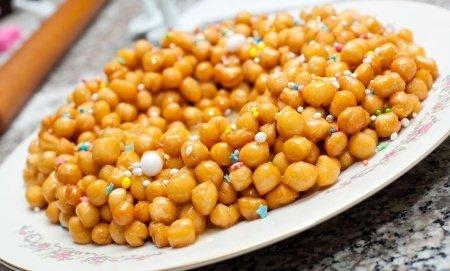 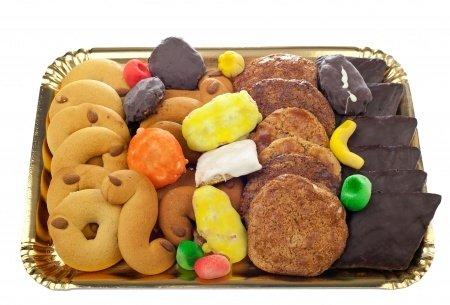
Rami di Miele, a chewy cookie in the shape of a twig, rich with honey and almonds and Dolci di
Natale, Christmas’ Desserts, almond paste shaped in various forms and stuffed with finely minced assorted
preserved fruits and are served at the end of every holiday meal.
Many other cakes and cookies are made during this period and for other feasts. The following are
some of the most popular.
Ricotta Torte (Baked Sicilian ricotta cake), Pignolata (baked small ball of dough covered with
fragrant honey),
Trionfo di Gola, the Triumph of Gluttony, a mysterious cake prepared in the monasteries: it includes a synthesis of
many different techniques, a myriad of ingredients and a mosaic of colorful taste.
Dolci di Riposto, a thin layer of almond paste wrapped around a special orange preserve.
Cassatelle baked or fried turnovers stuffed with ricotta cream.
Torta di Pistacchio, a very light torte made with pistachio nuts and eggs. It’s traditionally served with Rosolio,
a homemade cordial.
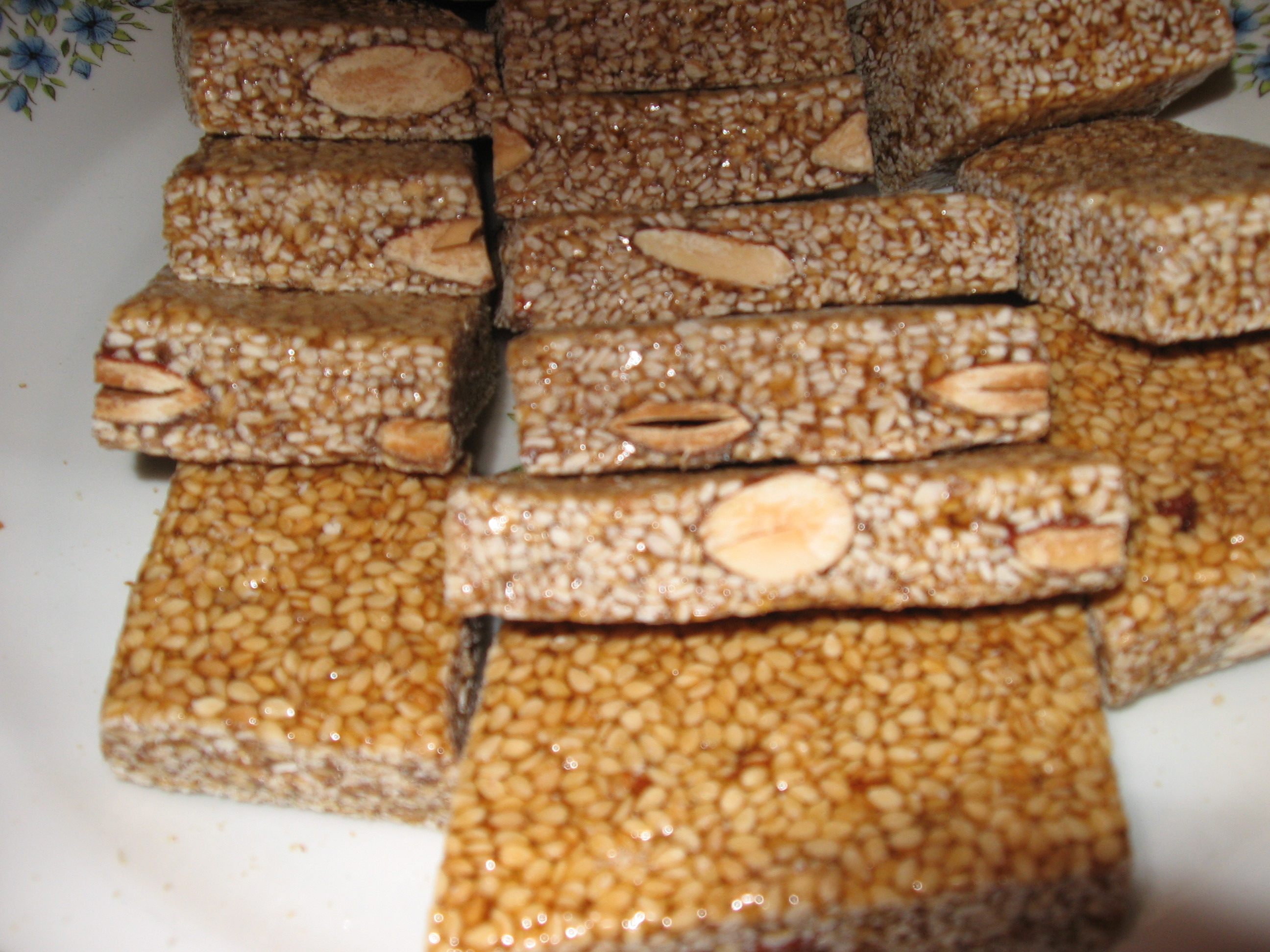
Pietrafendola is made with honey, skins of citrus, fruits, almonds, confetti and cinnamon. It is a very hard candy
that is like a “pietra”, a rock and “fendola” meaning to be cut.
These are only some of the most popular cookies and cakes. Every town and every family has their own special
desserts made with recipes handed down from generation to generation.
Lupercalia was a colorful festival celebrated on February 15th to honor Lupercus, the god of fertility. It concurs
with our Saint Valentine Day, the day in which lovers exchange gifts and sweets. The plain tortes, offered in
ancient times have been replaced with fancy chocolate candies and chocolate cakes.
On February 22nd, Feralia was venerated to honor the family’s dead and to pacify the evil spirits and gain their
favors. In Sicily this occurrence was celebrated since historical times with rituals and folklore, with offerings
of baked goods and almond and honey cookies. However, the Christians changed this holiday to All Saints’ Day and
All Souls Day, the Day of the Dead until Pope Gregory IV moved this holiday to November.
Sicilian desserts have in common the reference to a Christian or pagan religious celebration. In my family and in
every Sicilian family a religious holy day is associated with a specific “dolce”.
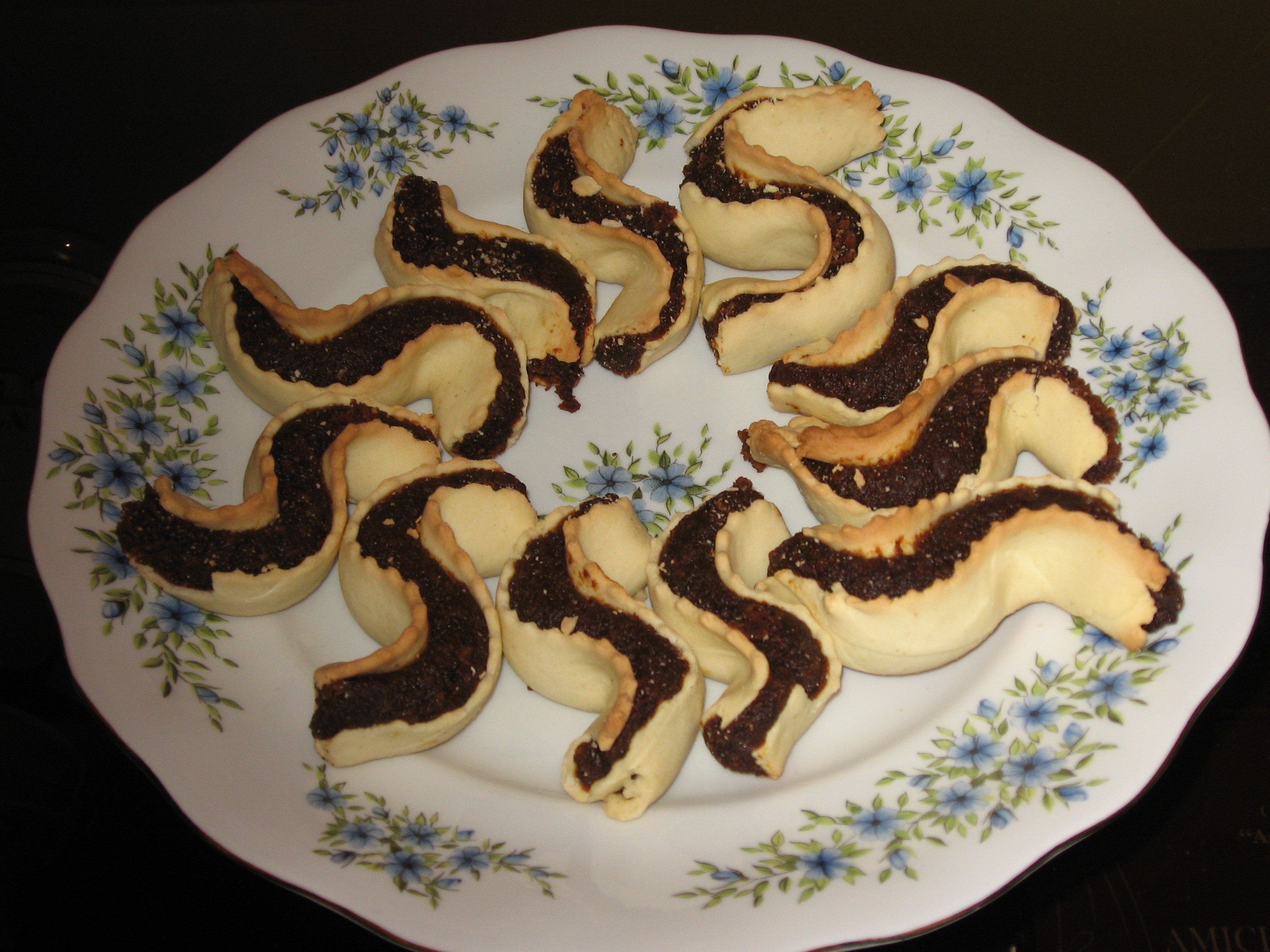 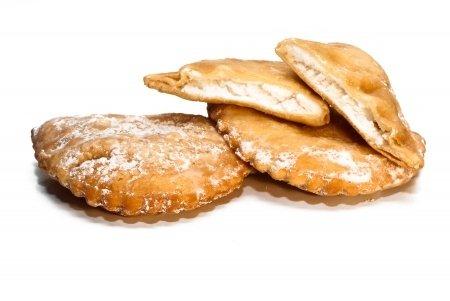 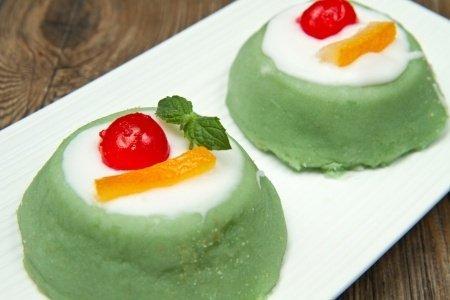
Eating cannoli is linked with Carnival time, Cassata with Easter, Sfingi for St. Joseph, Pietrafendola is eaten for
the feast of the Immaculate Conception. Tatu and Pipatelli for All Souls Day and Christmas is connected with
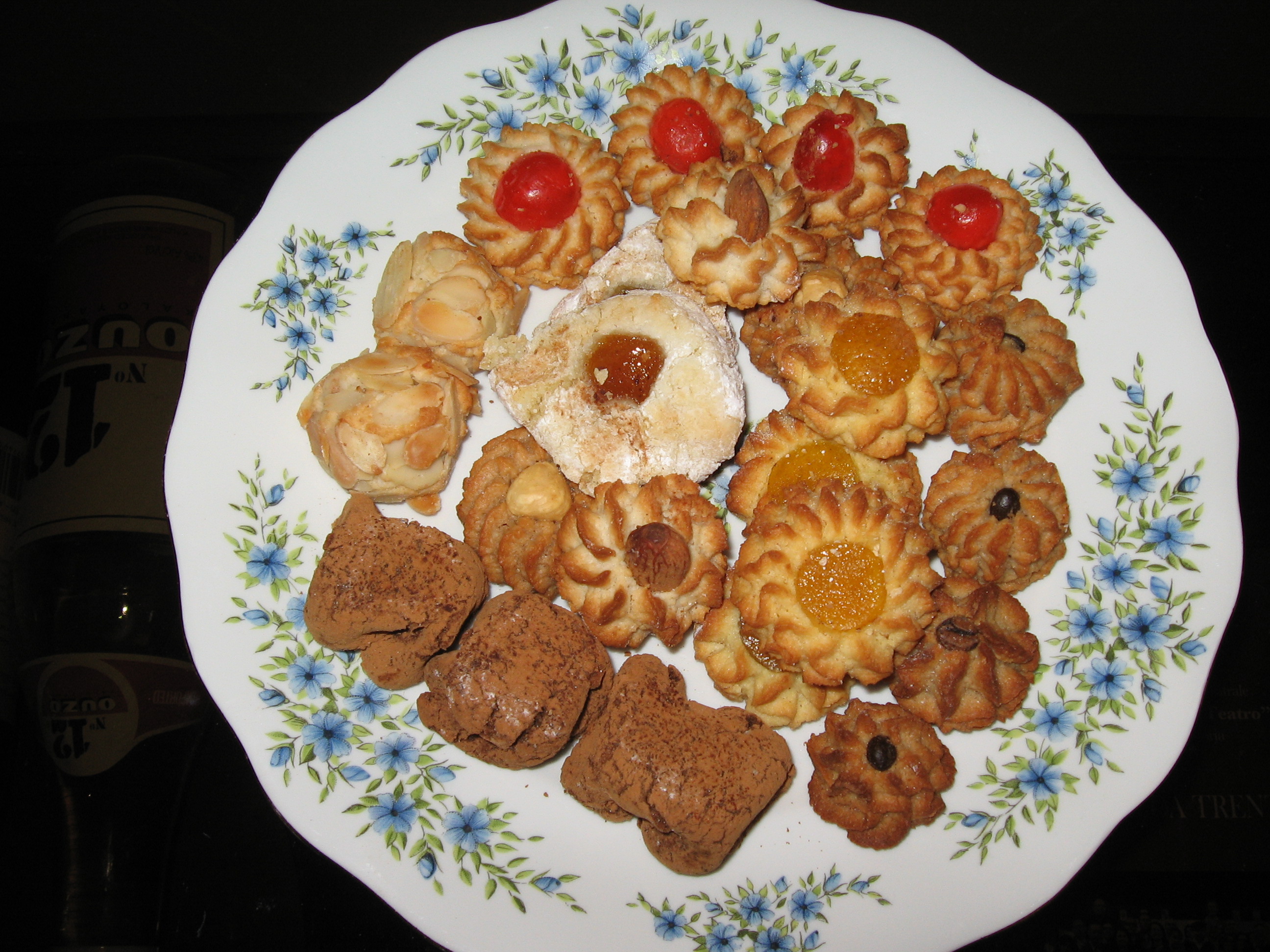
Pizzicati, Rami di Miele, Mostaccioli, and Sicilian Cheese Cake: to mention a few sweets and some holidays.
  .JPG "Torta di Ricotta")
There is a ritual followed in my family, where the desserts are always served after the fruits, and accompanied
with espresso coffee and usually somebody will say: “ e campatu natr’annu” (I lived another year), referring to the
fact that on that anniversary of the previous year we sampled that same dessert.
Writing about these facts and stories regarding the Sicilian desserts has been an incentive to reflect and discover
different aspects of the Sicilians and the way they have been able to synthesize the contributions of other
cultures through the centuries, by absorbing the best part of their wisdom, without losing their own character and
characteristics. Especially in cooking, every recipe has been adapted to the taste of the current ruler,
supplemented with their imported new ingredients or spices, but remaining faithful to the character and original
taste.
The Arabs contributed a great deal to the Sicilian cooking but their influence has been greatly overstated. They
introduced sugar to Sicily, making it possible to transform the almond paste, originally manufactured with honey,
into marzipan, the Pasta Reale. They introduced many new spices from the Orient, gave Saracen names to some dishes,
made contributions to agriculture by creating small farms individually owned and by building a modern irrigation
system.
For instance, many scholars assert that cassata derives from the Arabic word “qas’a”, meaning a small box and not
from the Latin word “caseus”, which means cheese. Since the ricotta cheese is the main ingredient in the cassata,
this word can derive from “caseus” even if we overlook the fact that Sicilian cooks were employed by the elites of
the Roman high society and Latin was the most used language a long time before the Arabs came to Sicily. The truth
is that cassata is as Sicilian as the apple pie is American. Cannoli go back to the pre-Hellenic era, almonds were
consumed since pre-historic times and the honey produced in Sicily was traded all over the known world. The
inventive Sicilian cooks produced a large variety of desserts, their crafts and skills reproduced and the products
of the land were exported all through the Mediterranean countries. At present the best ice cream in Rome is
available at Fassi Gelateria Siciliana, ice cream parlor or in Paris at Procopio, another Sicilian gelateria; in
the five continents, beside gelati, Sicilian pastries and cakes are available and enjoyed by all and not
exclusively by people of Italian extraction.
.jpg "Cassata gelato")
| 
.jpg)