.jpg)
|
Sicilian AppetizersAn appetizer is a small portion of a tasty food or drink at the beginning of a meal to stimulate the appetite. (Webster’s)
The Sicilian cuisine has no tradition of antipasto. It was an accomplishment when the majority of people could get three meals a day!
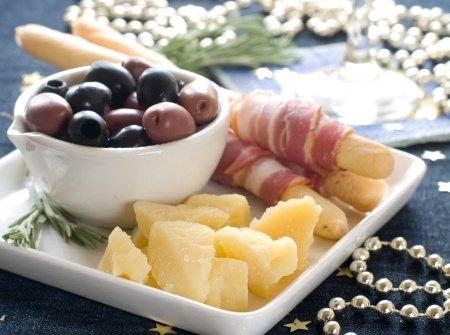
In the baronial cuisine of the rich and noble families, the Sicilian chefs, called Monzu’ (a contraction of monsieur), would arrange a table with toasted bread entrenched in olive oil, olives, anchovies and other small appetizing dishes, served with wine when they were not ready on time to serve their masters and guests at the banquet.
Sicilian Appetizers Pane fritto - Fried Bread Frittedda - Fried Vegetables Crispeddi - Fritters with Anchovies and Cheese Giardiniera- Vegetables in Vinegar Arancine - MiniatureRice Balls Viddanedda- Artichokes OliveRecipes Funghi Farciti- Stuffed Mushrooms Gamberi all’Americana- Shrimp Cocktail Vongole Ripiene - Baked Clams Zucca All'Agro- Sweet and Sour Squash Capperoni - Caperberry Salad
Eggplant Appetizers:
Octopus Appetizers:
These morsels of finger food were not part of the planned banquet; in fact, this food was served “outside the work” and therefore was called, from the French, hors d’oeuvre(s).
I do not know the Sicilian translation of the word antipasto, and in my family, the antipasto was not customary to our meals. When we had
guests and it was time to serve pranzo (dinner), a small table would be set with olives, anchovies, a selection of
vegetables in oil and vinegar, occasionally a frittata cut into bite-size pieces, some wine and pane fritto (fried bread) or toasted sliced
bread, moistened with olive oil, herbs and spices. |
|